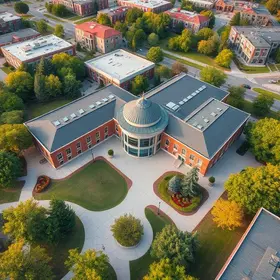
- Founded as one of the West's first culinary arts schools, Le Cordon Bleu College of Culinary Arts (Formerly known as California Culinary Academy)has been committed to providing high standards of culinary arts, restaurant management training, and personal chef training since 1977.
School Highlights
Le Cordon Bleu College of Culinary Arts-San Francisco served 442 students (100% of students were full-time).
The college's student-teacher ratio of 29:1 was lower than the state community college average of 44:1.
Minority enrollment was 97% of the student body (majority Asian), which was more than the state average of 77%.
School Overview
Le Cordon Bleu College of Culinary Arts-San Francisco
(CA) Community College Avg.
Carnegie Classification
Associates Colleges
Associate's Colleges: High Transfer-Mixed Traditional/Nontraditional
Institution Level
At least 2 but less than 4 years
At least 2 but less than 4 years
Institution Control
Private, for profit
Public
Total Faculty
15 staff
72 staff
Student Body
Total Enrollment
442 students
6,838 students
Student-Teacher Ratio
29:1
44:1
# Full-Time Students
442 students
1,022 students
# Enrollment Undergraduate
442 students
2,055 students
# Full-Time Undergraduate Students
442 students
967 students
% Asian
6%
12%
% Hispanic
4%
46%
% White
3%
23%
% Two or more races
1%
5%
% Unknown races
86%
6%
Diversity Score
0.25
0.71
College Completion Rate (Students who graduate in less than 4 years)
71%
28%
Average Graduate Earnings (10 Years)
$40,100
$34,300
Tuition & Financial Aid
Private State Tuition Fees
$14,774
$18,639
% Students Receiving Some Financial Aid
67%
85%
Median Debt for Graduates
$12,931
$9,500
Median Debt for Dropouts
$4,569
$5,500
Acceptance Rate
100%
90%
Source: 2020 (or latest year available) Integrated Postsecondary Education Data System (IPEDS)
School Notes
- San Francisco's Culinary hot spot historic California Hall at 625 Polk Street in downtown San Francisco is the nerve center of the Academy and an ideal place to pursue chef training. Students at California Culinary Academy can apply their passion everyday. A stand-up cocktail party, full-course dinner party, wedding reception, or corporate event presents a unique learning opportunity that combines the talent and skill of our students. Meals are prepared and served by Academy students under the direction of our Academy chef instructors. CCA prides itself on helping students secure their important first job in restaurants, hotels, resorts, bakeries, and other culinary and hospitality related businesses. Our Career Services staff offers individual sessions in career planning, resume writing, and interview preparation. Every student needs a payment plan for his or her education, and we are committed to helping you in your financial planning. The Academy offers tuition planning assistance to all students, and federal and state financial aid for those who qualify.
Frequently Asked Questions
How much does Le Cordon Bleu College of Culinary Arts-San Francisco cost?
Le Cordon Bleu College of Culinary Arts-San Francisco's private state tuition is approximately $14,774.
What is the acceptance rate of Le Cordon Bleu College of Culinary Arts-San Francisco?
The acceptance rate of Le Cordon Bleu College of Culinary Arts-San Francisco is 100%, which is higher than the state average of 90%.
Recent Articles

Required Course Full? Avoid Community College Degree Delays
Learn how a full required course can delay graduation, how to navigate waitlists, and how to find approved alternatives that protect your community college degree timeline and financial aid eligibility.

Catalog-Year Rules: Community College Graduation Requirements
Understand how catalog years determine community college graduation requirements, how enrollment breaks and major changes affect eligibility, and what to verify before choosing courses or switching to a newer catalog.

What If Your Community College Program Closes?
Learn what happens when your community college discontinues your program before graduation, including teach-out options, credit transfers, financial aid implications, student protections, and practical steps to finish your degree successfully.