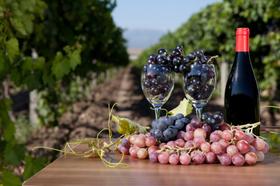

The West Coast is an area filled with fertile land perfect for wineries, which is why the winemaking industry has become big business for western farmers. Many community colleges are acknowledging the success of the wine-making industry by offering degree and certification programs for aspiring winemakers. While one Washington college has been duly noted for its contribution to winemaking in the area, it is not the only school to offer the necessary training for employment in this lucrative industry.
Winemaking 101
According to the Huffington Post, Washington has the second-highest number of wineries than any other state in the nation. It also ranks third in overall wine production. With this distinction, it makes sense that one of the biggest winemaking degrees in the country would also be located at a community college in Washington. However, Walla Walla Community College in Walla Walla, Washington, isn’t the only school to capitalize on the need for trained workers in the wine industry. Other schools in the state, as well as in Oregon, have also provided training programs for local wineries.
The art of winemaking is a complex one that begins with planting the grapes and ends with marketing the finished product. Throughout the experience, training is required for grape growing and winemaking, also referred to as enology. Once the wine is ready, workers in the industry must learn wine tasting and marketing products to the hospitality industry. While the work was often passed down through generations of families,